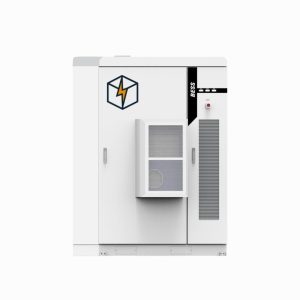
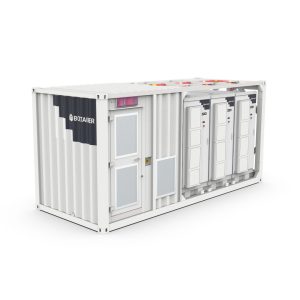
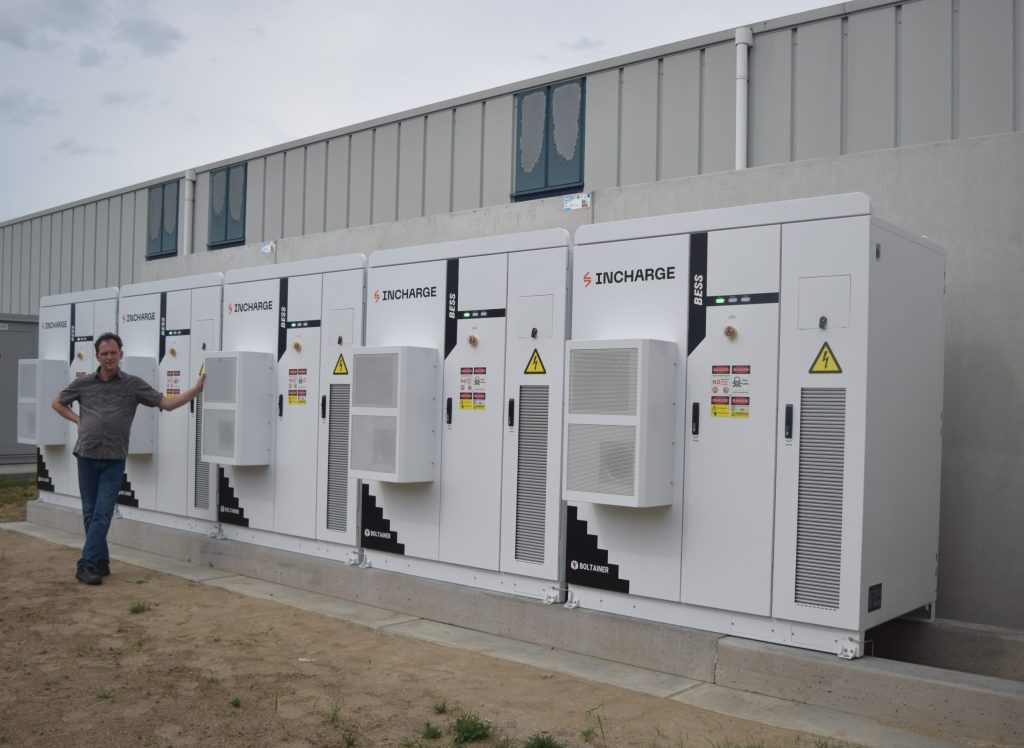
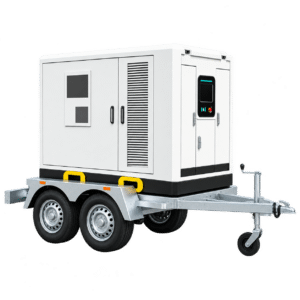
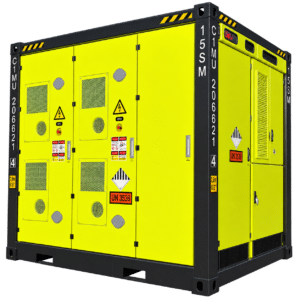

Smart battery with Dutch software
Can be installed in any room
No more negative energy hours
Take control of your energy usage

Please enter your information here— no obligation

We have helped more than 65 landowners over the past 6 months.
You'll receive more information in your inbox right after you submit your request.

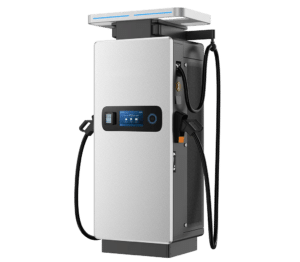
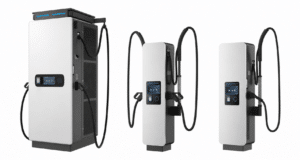
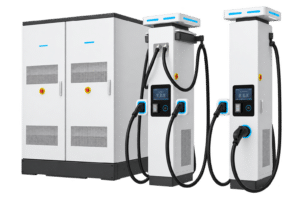
Check your SPRILA eligibility for DC charging stations

Are you interested in investing in DC charging stations on your own property? Request a no-obligation SPRILA check and find out if your charging project may be eligible for a subsidy. We’ll review your situation, charging needs, and any potential integration with battery storage.

You'll gain insight into:

  • Whether SPRILA is relevant to your charging project
  • Which charging solution is right for your site and vehicles?
  • How Battery Storage Can Help When Grid Capacity Is Limited
  • What next steps are needed to move toward the application and implementation

“We saved €50,000 on our energy bill in the very first year. Not only did this result in significant cost savings, but it was also a major step toward sustainability. A win-win for our company!”

Review from the agricultural sector

Make Your Charging Project a Reality with SPRILA

Investing in DC charging stations requires more than just a charging station. You’ll want to know if you’re eligible for a subsidy, what charging capacity is appropriate, what your electrical connection can handle, and whether battery storage is needed to ensure reliable charging.

Request a quote

Lower the investment threshold

SPRILA can help make investing in private charging infrastructure more financially attractive. This will make on-site fast charging more feasible for companies that want to electrify their fleets.

Charge when your operation requires it

With DC charging stations on your own property, you can charge vehicles at times that fit your schedule. Ideal for trucks, commercial vehicles, vans, and fleets that need to be back in service quickly.

Prevent network capacity from becoming a bottleneck

Fast charging requires a lot of power. That’s why we also look at load management, battery storage, and your existing connection. This helps ensure your charging project doesn’t run into problems due to peak loads or limited grid capacity.

From Request to Working Charging Solution

Boltainer helps you go beyond just the subsidy check. We work with you to determine the right configuration, application, installation, and smart control, so that SPRILA becomes part of a practical and future-proof charging plan.

Answers to frequently asked questions

Can't find your question here? Please contact us.

What happens after I complete the SPRILA check?

After you complete the SPRILA check, we’ll assess whether your charging project is a good fit for the program. Among other things, we’ll look at your site, the type of vehicles, the desired charging capacity, the grid connection, and any need for battery storage.

We will then contact you to briefly discuss the situation. You won’t receive a standard recommendation, but rather an initial assessment of what is practically feasible and what next steps are needed to move forward with the application and implementation.

When might I be eligible for SPRILA?

SPRILA is intended for business owners who want to install private charging infrastructure on their own or leased property in the Netherlands. This includes charging stations for electric trucks, delivery vans, company vehicles, employees, visitors, or their own vehicle fleet.

Key requirements include that the charging location be private, that your company be based in the Netherlands, and that the charging infrastructure meet the technical requirements of the program. Whether your situation qualifies depends on the exact location, the intended use, and the chosen charging solution.

Is SPRILA intended only for trucks?

No. SPRILA covers more than just trucks. The program is intended for private charging infrastructure for electric work vehicles or other electric vehicles on private or leased property.

For Boltainer, SPRILA is particularly interesting for heavier charging needs, such as electric trucks, vans, commercial vehicles, fleets, and charging hubs. It is precisely in these areas that power, grid capacity, and battery storage often play a major role.

Can I also get a grant for battery storage?

Yes, under certain conditions, SPRILA may also apply to a stationary battery at the charging location. In that case, the battery must be functionally connected to the charging infrastructure.

An important requirement is that a large portion of the energy discharged from the battery goes to the charging stations. That’s why we carefully assess in advance whether battery storage makes sense in your situation. Not every charging location needs a battery right away, but in cases of high power demand or limited grid capacity, it can actually make all the difference.

What if my power connection isn't strong enough?

That is precisely one of the most important points to investigate in advance. DC charging requires a lot of power, especially for trucks or multiple vehicles at the same time.

That’s why we look not only at the number of charging stations, but also at your contracted capacity, peak load, charging times, and future growth. With smart load management, capacity can be distributed. If that’s not enough, battery storage can help absorb peaks while still ensuring reliable charging.

When should I apply for the grant?

That depends on the amount of the grant. The application process may differ for smaller grants than for larger ones. In practice, for larger grants, you often submit the application before placing a final order.

This is important because placing an order or signing a quote too early can affect eligible costs. That’s why we prefer to check this in advance, before you officially begin the process.

What information is needed for a thorough assessment?

For an initial assessment, we mainly need practical information. The questions on the form already give us a very good idea of the situation. After that, it’s helpful to find out the following:

  • Where will the charging station be located?
  • Is the property owned or leased?
  • Which vehicles do you want to charge?
  • How many vehicles should be able to charge at the same time?
  • When does charging take place?
  • What is your current or desired grid connection?
  • Is the vehicle fleet growing?
  • Are you considering battery storage?

You don't have to have everything ready just yet. If any information is missing, we'll contact you and work with you to fill in the gaps.

How does Boltainer help with the SPRILA application?

Boltainer provides guidance on the technical and practical aspects of the charging project. We help determine which charging solution is best suited, what power capacity is needed, and whether battery storage is a viable option.

In addition, we work with you to develop the proper supporting documentation for the application. This includes specifications, configuration, charging capacity, battery capacity, and the practical layout of the charging station. This ensures that the grant application is aligned with the solution that will ultimately be installed.

What is the difference between requesting a charging station and having a working charging plan?

Requesting a charging station is relatively simple. Building a charging solution that truly works for your operations is more challenging.

You need to take into account charging times, vehicle scheduling, available grid capacity, peak loads, future expansion, and potential battery storage. That’s why we at Boltainer look at the full energy picture. The goal isn’t just to apply for subsidies, but to ensure that the charging infrastructure will operate reliably in the future.

What's the next step after I submit my application?

After you submit your request, we’ll contact you to conduct a brief assessment. Then, together, we’ll determine whether SPRILA is a good fit, which charging solution is best for you, and what information is needed to take the next step.

If the project shows promise, we will work toward a practical configuration and a clear path toward the application, installation, and commissioning.