




Key fact: The ACM’s social prioritization framework has three categories, in the following order: congestion-relief measures, safety, and basic needs. Battery storage may fall under Category 1, but grid operators apply a minimum threshold of 1 MW of flexible capacity for this, and 10 MW for connections to the high-voltage grid. For most companies, this is out of reach. Furthermore, priority merely results in a higher position on the waiting list; it does not guarantee priority in implementation.
The three categories
| Order | Category | Who is covered by this |
|---|---|---|
| 1 | Decongestants | Parties that demonstrably make transport capacity available to other customers |
| 2 | Safety | These include the fire department, police, the judiciary, blood supply services, traffic safety, water authorities, public drinking water supply, and emergency health care |
| 3 | Basic Needs | These include education, public transportation, waste management, heat supply, and housing construction |
Applications that do not fall into any of these categories will remain on the waiting list in the order in which they were submitted. Within each category, the date of the complete application also applies.
The definition of a congestion reliever is strictly defined: a party for which the transmission system operator determines that allocating transmission capacity to that party will increase the available transmission capacity for other parties during periods of congestion, without causing additional congestion in another transmission system operator’s network. Network-neutral applications, therefore, do not count.
Why the threshold is higher than many parties claim
You often read in industry publications that having a battery automatically qualifies you as a congestion reliever. That’s not true. Grid operators apply basic criteria, and the most important one is a minimum threshold of 1 MW of flexible capacity—or 10 MW if you’re connected to the high-voltage grid.
Enexis provides its own calculation example that illustrates just how demanding this requirement is. A 5 MW solar farm wants to install a battery and needs an additional 1 MW of draw capacity to do so. To qualify as a congestion reliever, that party must feed 1 MW back into the grid for at least four consecutive hours during demand congestion. That means not only 1 MW of capacity, but also approximately 4 MWh of usable energy at the right time.
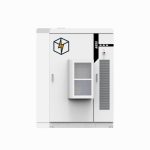
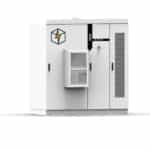
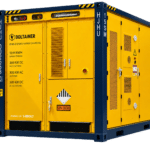
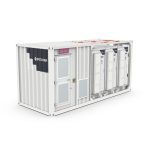
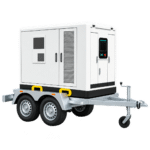
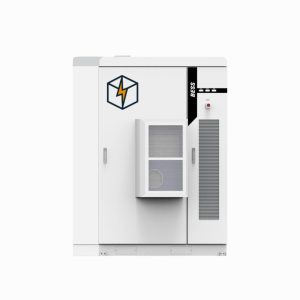
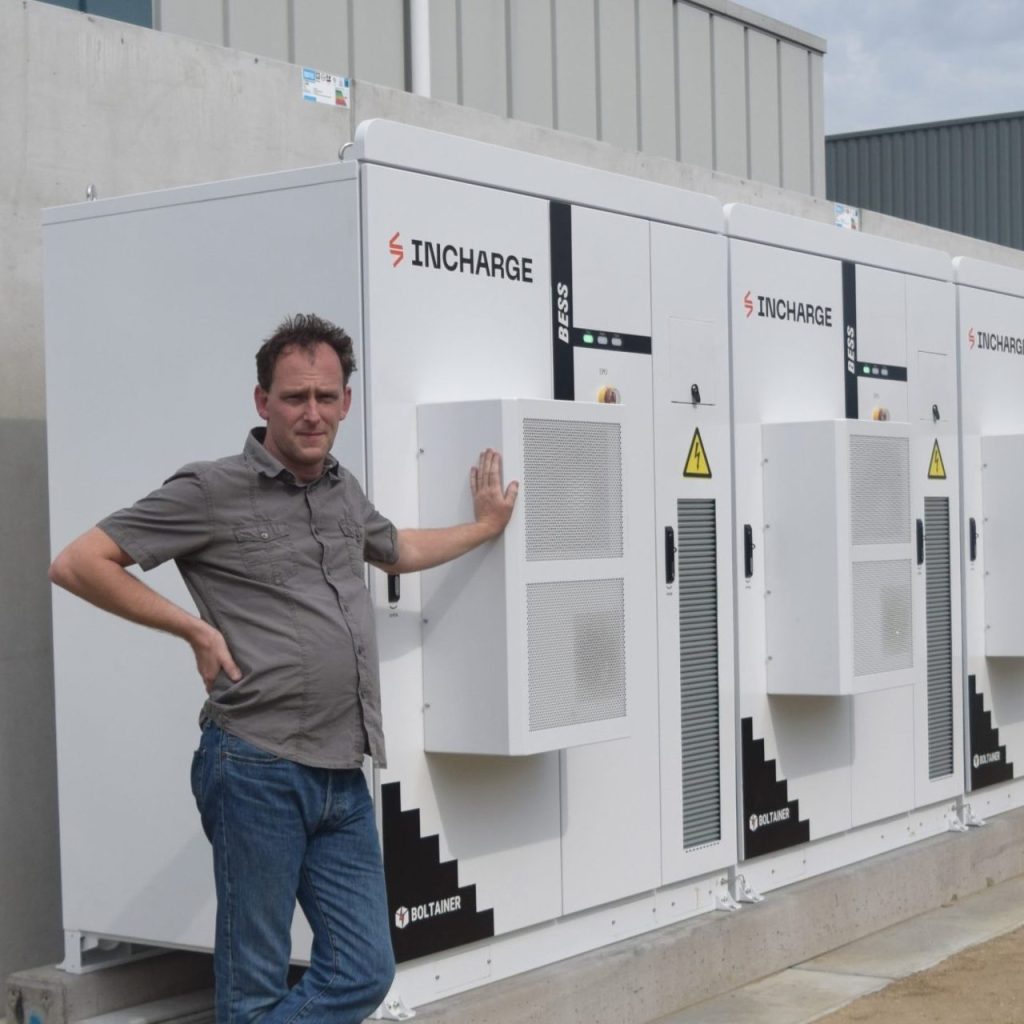
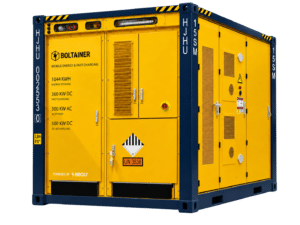
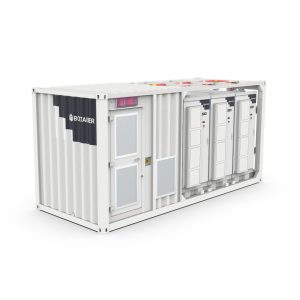
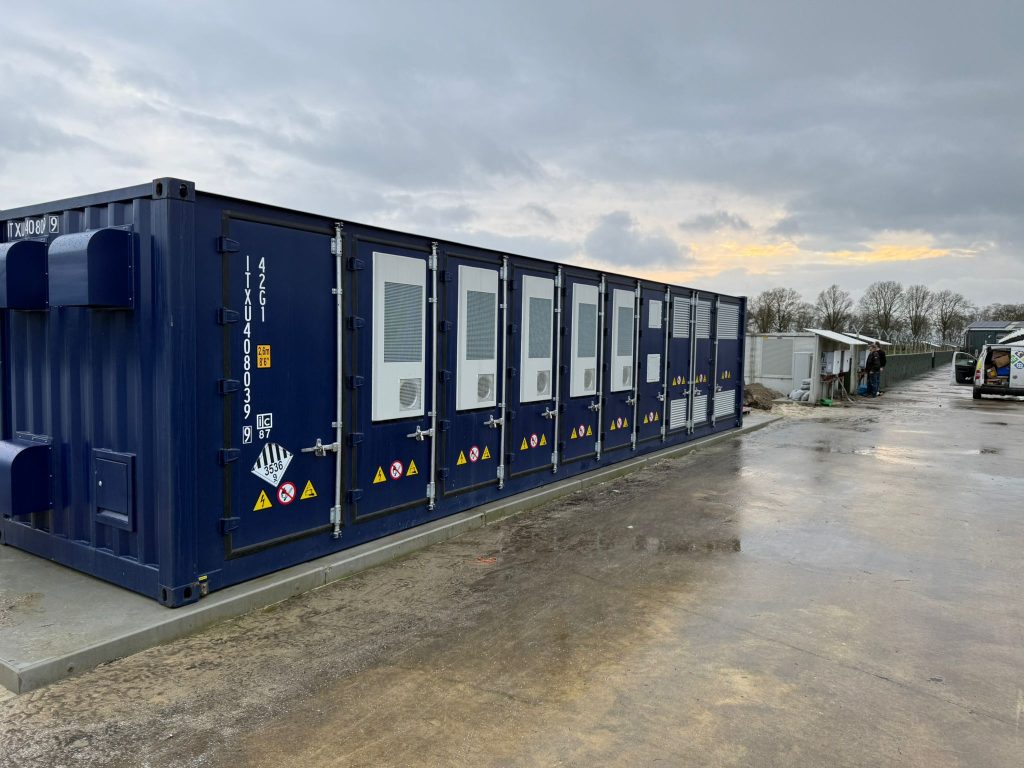
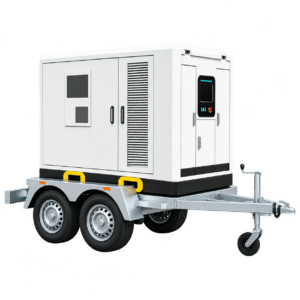
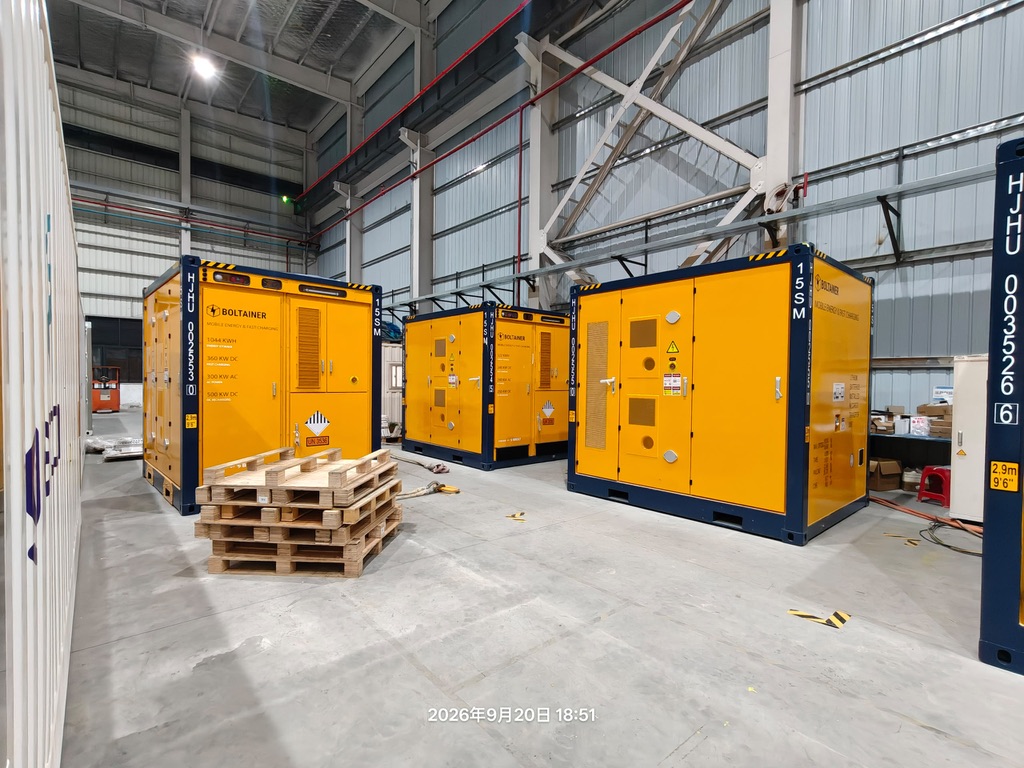
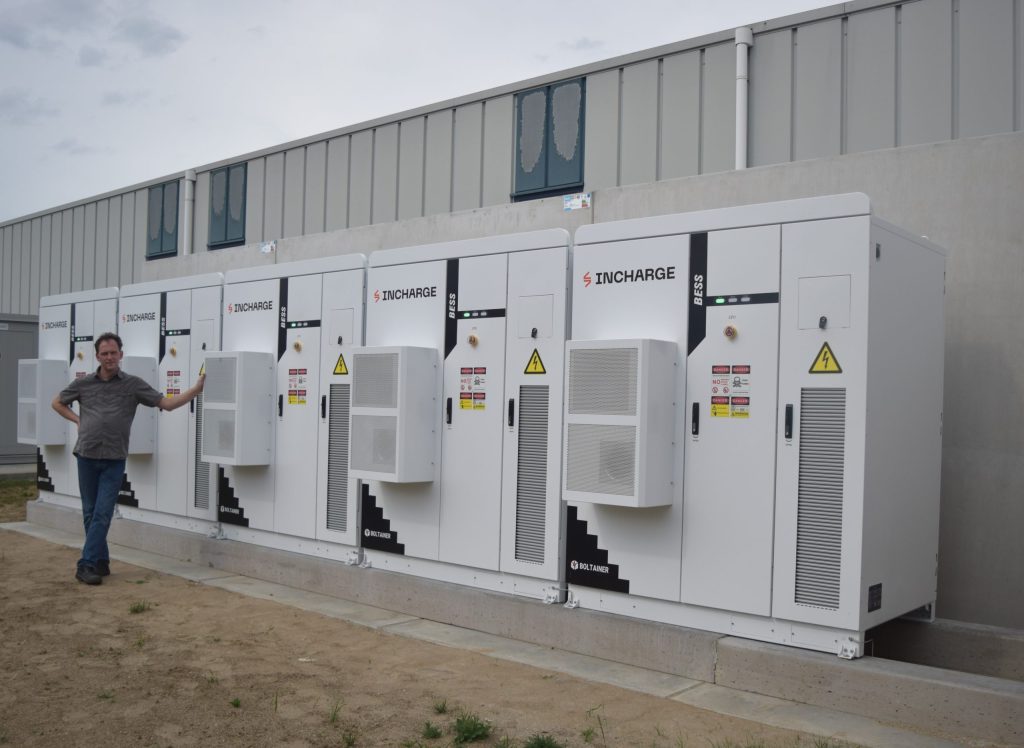
Compare that to real-world conditions: a compact cabinet delivers anywhere from a few dozen to well over a hundred kilowatts. Even a large container battery with a capacity of 2,250 kWh and a power output of 1,000 kW barely reaches that threshold—and even then, only for two hours instead of four. A single battery at a typical manufacturing company therefore does not meet the requirements.
What the process entails if you do reach the threshold
- You're already on the waiting list. You cannot submit a prioritization request without an active application for transmission capacity. Many grid operators require that you have signed the quote.
- You must submit a request for priority treatment, along with supporting documentation and evidence. This does not happen automatically.
- The grid operator evaluates based on basic criteria and technical requirements: how much flexible capacity you offer, at what times, in which direction, and whether it can be technically integrated.
- TenneT conducts its own analysis. The national grid operator periodically reviews—in practice, about once every six months—all applications received for congestion-relief measures during that period.
- Contract Negotiation. In any case, you will sign a capacity management contract and a redispatch bidding obligation contract.
- Selection among other providers. The grid operator compares all offers within the same congestion area and selects the most effective one. The evaluation is based on location within the grid, amount of flexible capacity, start date, available time slots, and the compensation you request.
That last point is often overlooked: you’re competing with other companies, and the price you charge is a factor. A proposal may be technically sound and still be rejected because another company is cheaper or more effective.
What Does and Does Not Give You the Right of Way
| Forecast | Reality |
|---|---|
| “With priority service, I’ll be connected quickly” | Prioritization only determines your place in line on the waiting list. It does not give you priority when the work is carried out, and even with priority, it can take years. |
| “Every battery takes priority” | You must be able to provide at least 1 MW of flexible capacity and set that out in a contract |
| “Prioritization creates capacity” | No. Prioritization allocates the capacity that becomes available; it does not increase the size of the grid. |
| “If I apply for priority, I’ll be ranked higher starting on that date” | Your new slot is determined by your category and the date of your complete transport request, not by the date of your priority request |
| “Priority is included in the sale” | No, priority is determined based on the customer and the supporting documentation provided. A new owner must submit a new application. |
There is also a downside that grid operators themselves point out. As long as new priority applications continue to come in, non-priority customers are pushed further down the list. Only once the grid investment is complete will they be assisted with certainty. For a typical company without a social mission, this means the wait is more likely to be longer rather than shorter.
For whom is this route actually realistic?
- Large-scale battery projects of 1 MW or more, often combined with a solar or wind farm.
- Industrial sites with a generator or on-site power generation capacity that can demonstrably reduce output by 1 MW or more during periods of congestion.
- Collective projects and energy hubs in industrial parks, in which multiple parties pool their flexibility.
- Parties willing to enter into a capacity management contract and a bidding obligation, along with all the associated operational obligations.
If you're not on that list, that's not bad news. It just means your problem won't be resolved through the waiting list, but at your own expense.
The alternative that does work for most companies
The reason a battery is of interest to grid operators is exactly the same reason it’s of interest to you: it reduces your peak demand. The only difference is that you don’t have to meet the criteria of the prioritization framework to do so.
Peak shaving allows you to stay within your existing contracted capacity while running heavier equipment, installing fast chargers, or starting up an additional production line. This delivers immediate results—within weeks rather than years—and does not depend on a third-party assessment.
In addition, a flexible contract remains a viable option. In areas where congestion management is in place, you can obtain capacity outside of peak hours. Without storage, this means reducing demand at times you don’t choose. With storage, you can bridge those hours and keep your process running.
Frequently Asked Questions About the Prioritization Framework
Who determines whether I'm a congestion reliever?
Your local grid operator will first assess whether you meet the basic criteria and technical requirements. TenneT will then conduct an analysis to determine whether your proposal fits within the national capacity and actually contributes to resolving congestion in your area. You will be notified of the outcome of both steps. Only if both analyses are positive will contract negotiations follow.
Can I apply for priority while I'm already on the waiting list?
Yes, and that’s actually a requirement. A prioritization request must be linked to an existing application for transport capacity. You can submit the request immediately after your transport application or later, for example, if you need time to gather supporting documents. Keep in mind, however, that until the review is complete, you’ll only be on the list with your original application, which means you could miss out on approval.
My connection is less than 3×80 amps; can I still get priority?
For the “safety” and “basic needs” categories, you can also request priority with a smaller connection, although the process varies by grid operator. Some applications for residential use are even automatically granted priority. For the “congestion relievers” category, the connection size isn’t the deciding factor—it’s the amount of flexible capacity you can supply—and you can’t meet that 1 MW minimum with a small connection.
Am I eligible for compensation as a congestion reliever?
Yes, you will receive compensation for the flexible capacity you provide during periods of congestion. The amount of this compensation is part of the negotiation and is a factor in the selection process: the grid operator compares offers in the same area and assesses whether the requested compensation is acceptable. If your price is too high, your offer may be rejected in favor of another party’s offer.
What will happen during the transition period leading up to January 1, 2027?
The capacity previously reserved for small consumers will be released in stages and, during that period, will be allocated exclusively to parties with social priority. If any capacity remains on January 1, 2027, it will go to applicants without priority on the waiting list. The capacity will be released periodically, not all at once.
Will a battery still help even if I don't get priority?
Yes, and for most companies, that’s precisely the main reason to install one. You create room within your existing connection for growth, charging infrastructure, and electrification, without having to rely on an assessment or a waiting list. The effect is immediately measurable in your peak costs and in your operational capacity. In that light, priority on the waiting list is a potential bonus, not a goal.
Is this framework temporary?
No. The prioritization framework is set forth in an ACM code decision and is applied by network operators in congested areas. The details may be adjusted over time—for example, in the criteria for congestion-relief measures—but the principle that capacity is allocated according to societal categories is not a temporary measure.
Can Boltainer help with the supporting evidence?
We provide the technical documentation on power, capacity, and control systems that you need to support your application, and we calculate in advance whether a realistic configuration would even allow you to reach the 1 MW threshold. If that threshold isn’t within reach, we’ll tell you so. In that case, we’ll focus the design on what does deliver immediate results: lower peak costs and more capacity within your current connection.