

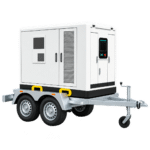
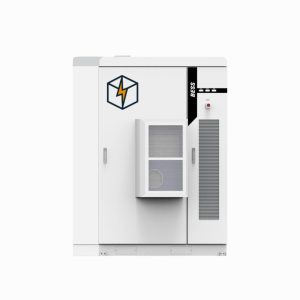

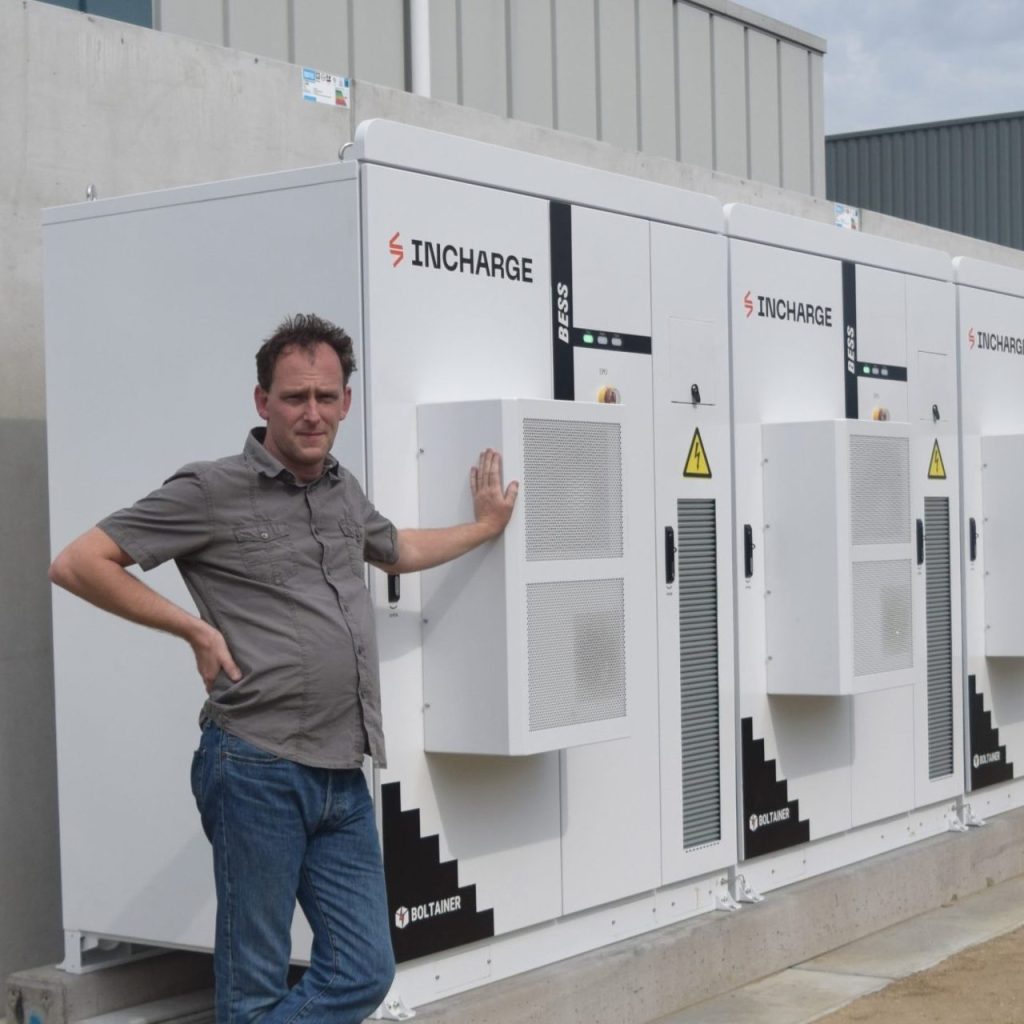
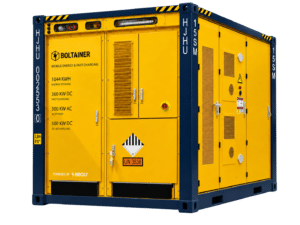
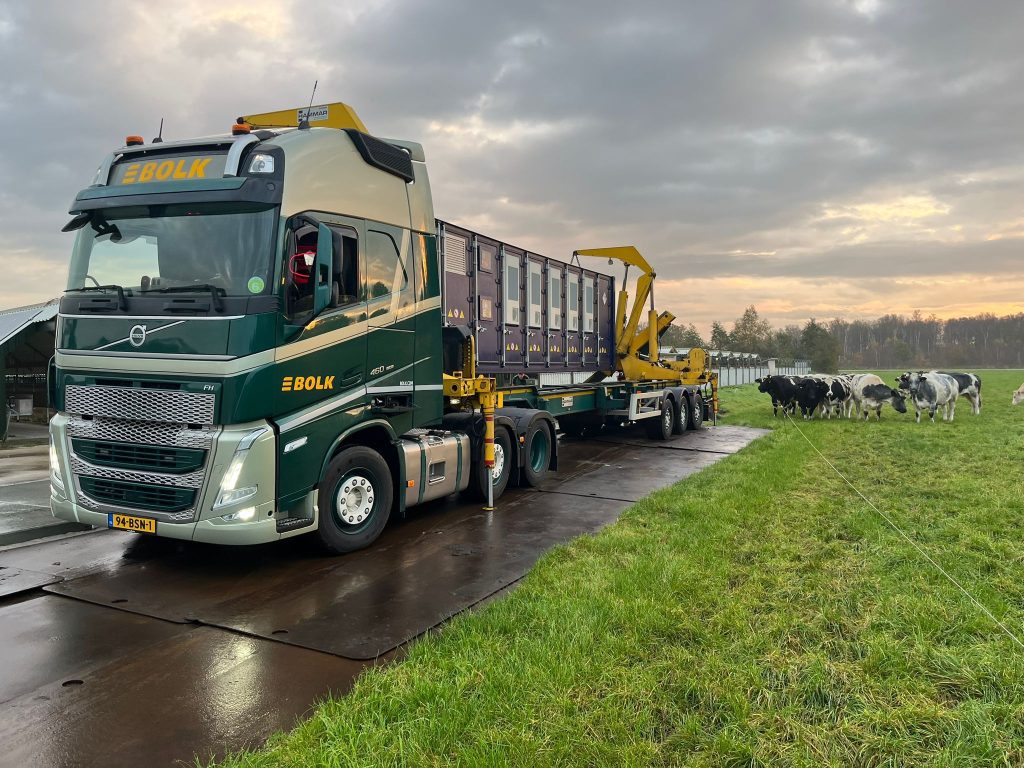


Power in locations without a grid connection or with insufficient power. How an off-grid battery works, what it replaces, and what its limitations are.
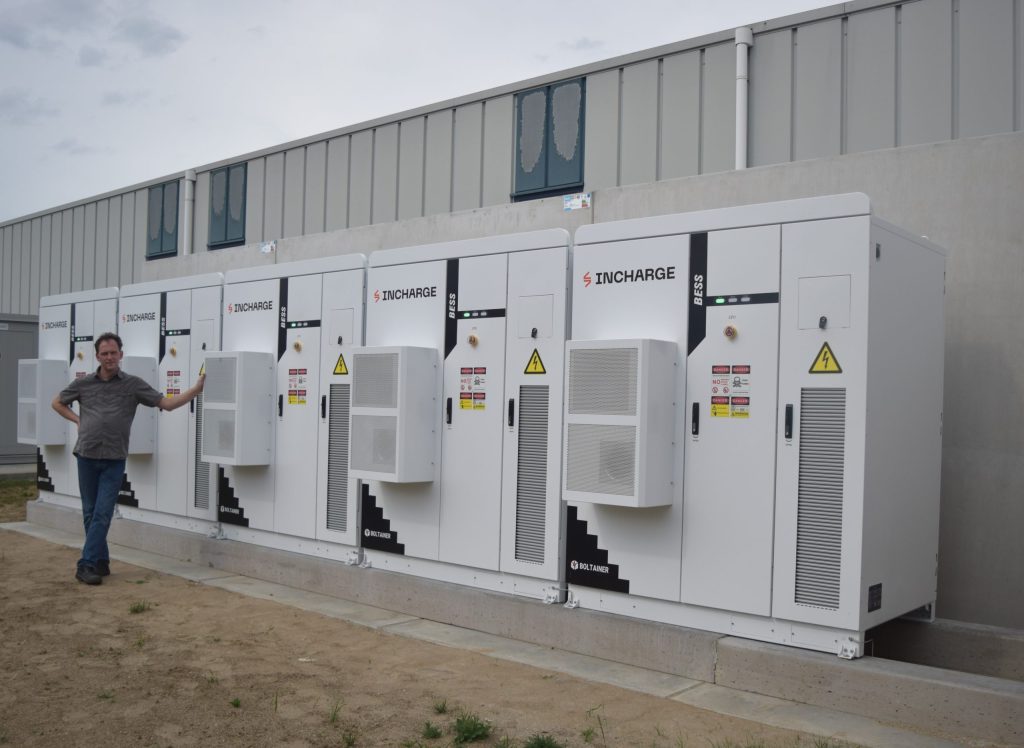
Key fact: An off-grid battery provides power in places where there is no grid connection, where the connection is too weak, or where connecting to the grid isn’t worth the effort because you’re only there temporarily. The system operates independently, is charged by solar power, a generator, or a grid connection from another location, and thus fully or partially replaces a diesel generator.
What "off-grid" exactly means
"Off-grid" means that the system is not permanently connected to the power grid. There are three possible reasons for this:
There is no power connection. Construction sites, event venues, nature reserves, temporary installations, and remote locations.
There is a connection, but it's too weak. You have a small connection that isn't sufficient for what you want to do, and upgrading it is too expensive or not available in a congested area.
It's not worth getting a connection. You'll either be there for two months or move every few weeks. The cost and setup time for a temporary connection don't justify it compared to the alternative.
In practice, many systems are hybrid: they operate independently but can recharge from a low-power grid connection or from solar panels as soon as they become available. An off-grid battery is therefore not necessarily permanently disconnected, but it is designed to function without the grid.
What it replaces
| Diesel Generator | Off-grid battery | |
|---|---|---|
| Sound | Continuous, audible from a distance | Quiet, cooling only |
| Emissions | Yes, soot and particulate matter as well | Not on-site |
| Efficiency at low load | Poor; often operates well below optimal levels | Good—delivers what's asked for |
| Fuel and Logistics | Refuelling, storage, spill risk | Charging from solar power, the grid, or a generator |
| Maintenance | Regularly, with downtime | Limited, mostly remote |
| Peak Power | Limited by engine power | High, available for a short time |
The most underestimated factor is efficiency at low loads. A generator that is sized for the heaviest peak load operates well below its optimum the rest of the time and thus consumes a disproportionate amount of fuel. A battery delivers exactly what is needed.
Four Typical Applications
Construction and Infrastructure. In the initial phase, a construction site often lacks a power connection, even though cranes, elevators, heating systems, and tools all require electricity. A mobile system bridges that gap and can then be moved on to the next project.
Events. Short duration, varying power demands, and strict noise requirements. A battery outperforms other options on nearly every criterion here, especially near residential areas.
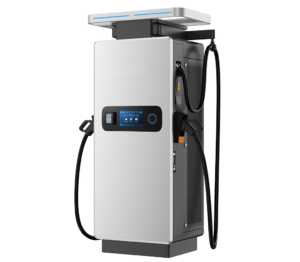
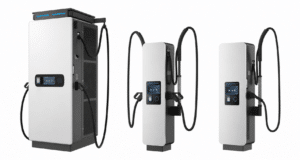
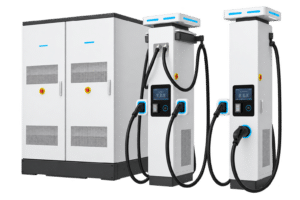
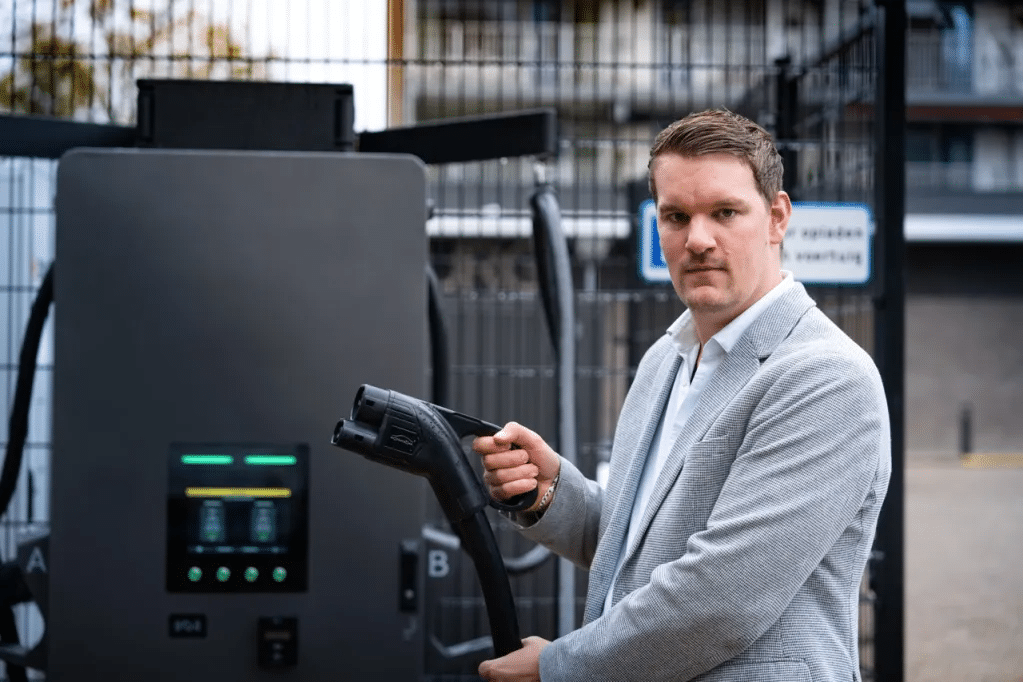
Charging at locations without sufficient power. Fast charging requires a lot of power in short bursts. With energy storage, you can charge even where the grid can’t handle it.
Temporary expansion. A business that temporarily needs additional power—for example, during a renovation or peak season—without having to modify its service connection.
How to Size Such a System
Just like with a grid-connected system, it all comes down to two numbers, but with an off-grid system, both are higher.
- Power in kW: the peak power demand at any given time, including the starting power of cranes, pumps, and elevators.
- Capacity in kWh: how much energy you use per day and how long you need to go before you can charge again.
- Charging source: the sun, a low-power grid connection, a generator, or a combination of these. This determines how quickly you can recharge.
- Autonomy: how many days you want to be able to run the vehicle without recharging, for example, over a weekend.
The difference from a grid-connected system: in that case, the grid acts as your safety net; here, there is no safety net. That means you need to build in a margin, but it also means you shouldn’t oversize the system unnecessarily, because every kilowatt-hour you carry over costs money and takes up space.
What Types Are There?
| Situation | Direction |
|---|---|
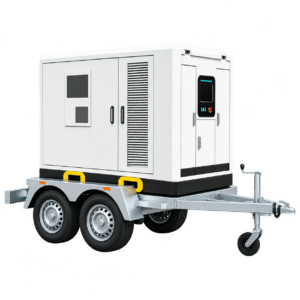
| Small construction site, tools, and lighting | Compact mobile system |
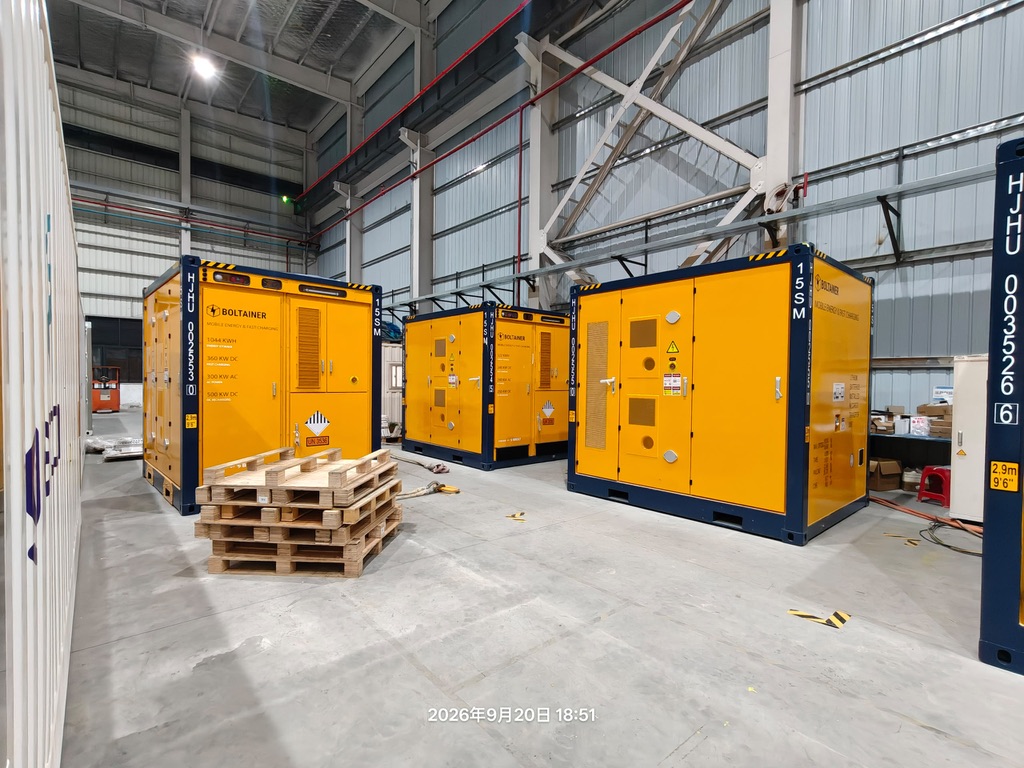
| Full construction site with a crane and an elevator | Mobile system with high starting power |
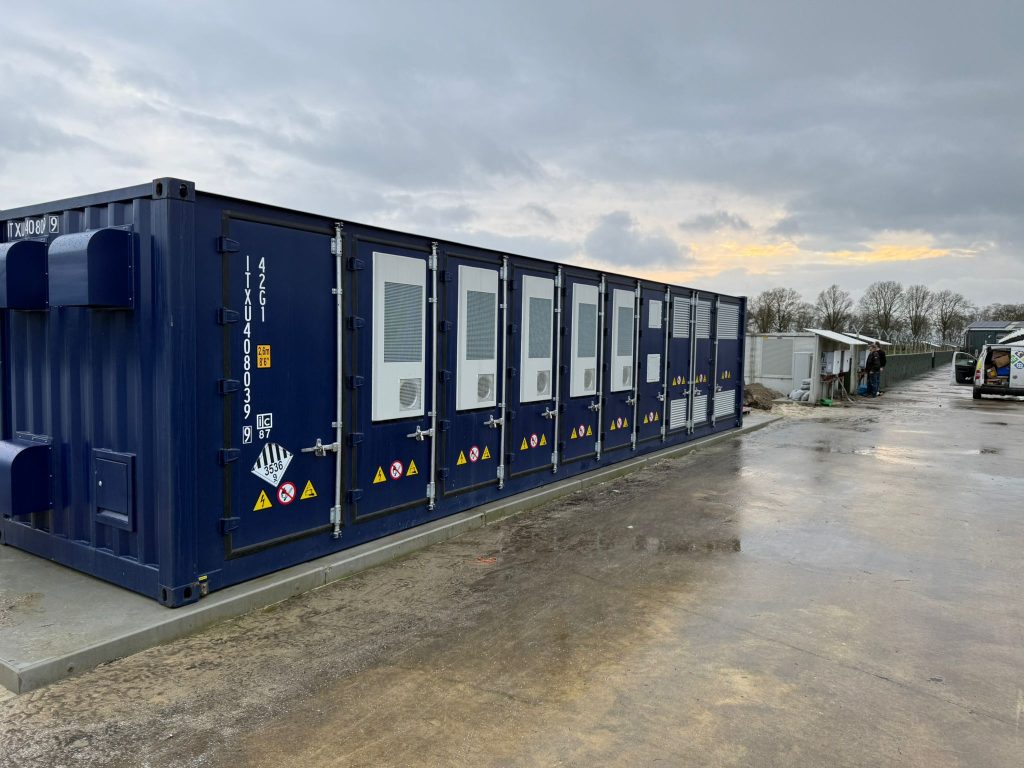
| Temporary expansion on a business park | A battery container |
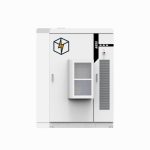
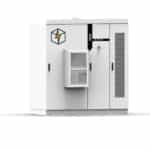
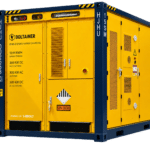
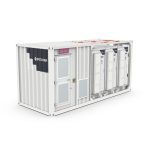
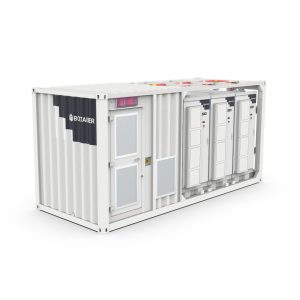
| Heavy and prolonged use | An industrial battery in a container design |
| On-site Charging | Storage with integrated DC fast chargers |
What makes off-grid more challenging than grid-connected
There is no safety net. That may sound obvious, but it changes every design decision.
Start-up power is a more critical factor. When connected to the grid, the grid effortlessly absorbs a brief inrush current. Off-grid, your system must provide that power itself, so the start-up power of faucets, elevators, pumps, and compressors is a key design requirement rather than a minor detail.
Imbalance is your problem. On the grid, you don’t notice any uneven load distribution across the phases. In an off-grid system, however, this can actually lead to a failure, so the load distribution across the phases becomes part of the system design plan.
Charging is all about planning. A grid-connected battery charges whenever it’s convenient. Off-grid, charging is an activity you schedule, involving a charging source, a time window, and a plan in case that time window is unavailable for a day.
Monitoring isn't a luxury. A dead battery means downtime. That's why an alarm system should be included upon delivery, with clear agreements on who monitors the system and who takes action.
If you take care of these four points in advance, you’ll rarely run into any surprises. If you skip them, you’ll end up facing them anyway—usually at the busiest moment.
A hybrid approach often works best
Operating entirely without a generator isn't always realistic, especially for long-term projects in the winter when there's little sunlight. A hybrid setup combines the two: the battery meets daily demand and handles peak loads, while the generator starts up only when the battery really needs to be recharged.
This results in three benefits. The generator runs fewer hours and, when it does, operates at its optimal load, making it more fuel-efficient. Noise is limited to those charging hours. And your fuel logistics become much simpler.
In the grid-connected version, the same principle applies: the battery handles the peaks, and the small connection handles the baseline. That is exactly what peak shaving is—only in a location where the connection is small rather than full.
Sunshine: When It Pays Off
Many mobile systems can have solar panels built in or connected to them as separate units. Whether this is worthwhile depends on three factors.
Project duration. For a project lasting just a few weeks, the cost of building a solar farm rarely justifies the return on investment. For projects lasting several months, the balance shifts.
Season. During the summer months, the same surface area generates many times more energy than it does in December. A system that is completely self-sufficient in the summer still requires a second power source in the winter.
Daily Profile. The sun comes out in the middle of the day, while construction sites actually experience peak demand early in the morning. The battery bridges that gap, and that’s exactly why solar power and on-site storage go hand in hand.
Calculate it based on your actual daily demand in kWh and a realistic seasonal output, not an annual average.
Rent, lease, or buy
| Rent | Lease | Buy | |
|---|---|---|---|
| Goes well with | One-time project or event | Multiple projects per year | Long-term assignment, multiple locations |
| Upfront Investment | None | Limited | Complete |
| Cost per day of deployment | Highest | Center | Lowest when there are many workdays |
| Flexibility in size | Groot: Rent what fits | Limited to the selected system | Limited, unless modular |
| Maintenance and Monitoring | At the landlord's | Usually included | Personal contract |
The deciding factor is the number of operating days per year. If you’re running just a handful of projects, renting is almost always the smart choice. If you’re exceeding 100 operating days, owning or leasing equipment becomes a viable option—especially if you can use the system in a grid-connected mode between projects instead of leaving it idle.
Frequently Asked Questions About Off-Grid Batteries
Can a battery completely replace a generator?
For many projects, yes—especially those with a short duration, moderate daily demand, and the option to charge intermittently using solar power or a low-power connection. For long-term projects with high daily energy demand and limited charging options, a hybrid setup is more realistic. The real question isn’t whether it’s possible, but how many generators you can avoid using.
How do I charge the system at a location without a power grid?
Through solar panels, through a generator running at its optimal load, or by switching the system to a charged unit. In practice, you often see a combination, where solar power provides the majority of the energy and the generator only kicks in during periods of low sunlight.
What happens when the battery runs out?
Then the power goes out, just like with a generator that’s out of fuel. That’s why the design always includes a margin and an alarm, so you can see well in advance that it needs to be recharged. For critical processes, you should opt for a hybrid setup, so there’s always a second power source.
Is an off-grid system more expensive than renting a generator?
Per kilowatt-hour, it costs more than grid power, but the comparison with a generator often turns out differently than expected. You save on fuel, refueling trips, and maintenance, and you prevent a heavy generator from running far below its optimal capacity for months on end. Calculate the costs based on your actual consumption profile and project duration, not on daily rates.
Can a battery be placed anywhere?
PGS 37-1 applies to storage systems rated at over 20 kWh, including temporary installations. This standard sets requirements regarding distances, installation, and information for emergency services. Safety authorities pay close attention to these requirements at event venues and construction sites, so be sure to coordinate with them in advance.
Can I use the system with a grid connection later on?
Yes, and that happens regularly. A system that starts out at a construction site can later be connected to the grid at the completed site for peak shaving and self-consumption. Keep this in mind when choosing a system, because not every model supports both operating modes equally well.
What about noise and permits for events?
A battery only produces noise from its cooling system, which is several orders of magnitude less than that of a generator. This is often a deciding factor in residential areas and can make it easier to obtain a permit. You will need the safety documentation that comes with the system, so be sure to request it from your supplier.
How quickly can something like that be put into use?
Mobile systems are generally available quickly because they do not require a utility connection or foundation. The lead time is determined by availability, transportation, and coordination regarding setup and safety. This is significantly shorter than the process for a temporary utility connection, which can also be delayed in congested areas.
 />
 />