




PGS 37-1 and PGS 37-2 Explained: Which Standard Applies to Your Battery?
Key fact: PGS 37-1 and PGS 37-2 are often confused, but they address two different topics. PGS 37-1 describes the safe installation of an energy storage system: interconnected lithium batteries that store and supply electricity, with a storage capacity of more than 20 kWh. PGS 37-2 describes the storage of individual lithium-containing energy carriers, i.e., rechargeable and non-rechargeable batteries that are kept in stock as products. For both standards, version 1.1, dated April 2026, is the current edition.
The difference in a single table
| PGS 37-1 | PGS 37-2 | |
|---|---|---|
| Subject | Energy Storage Systems (ESS) | Storage of Loose Lithium-Containing Energy Carriers |
| A typical example | Commercial battery, neighborhood battery, battery container | Battery warehouse, distribution center, recycling facility, repair shop |
| Threshold | Installed storage capacity of more than 20 kWh | Starting at 333 kg per fire compartment, or 1,000 kg for small cells and batteries |
| Key Risk | Thermal runaway in a running system | Fire and Toxic Pyrolysis Products from Stored Batteries |
| Current version | PGS 37-1:2023 Version 1.1 (April 2026) | PGS 37-2:2023 Version 1.1 (April 2026) |
| Relevant for Boltainer customers | Almost always | Only if you stock up on batteries yourself |
The rule of thumb: if the battery is working, PGS 37-1 is the document you need. If the battery is dead, it's PGS 37-2.
PGS 37-1: The Battery That Keeps You Going
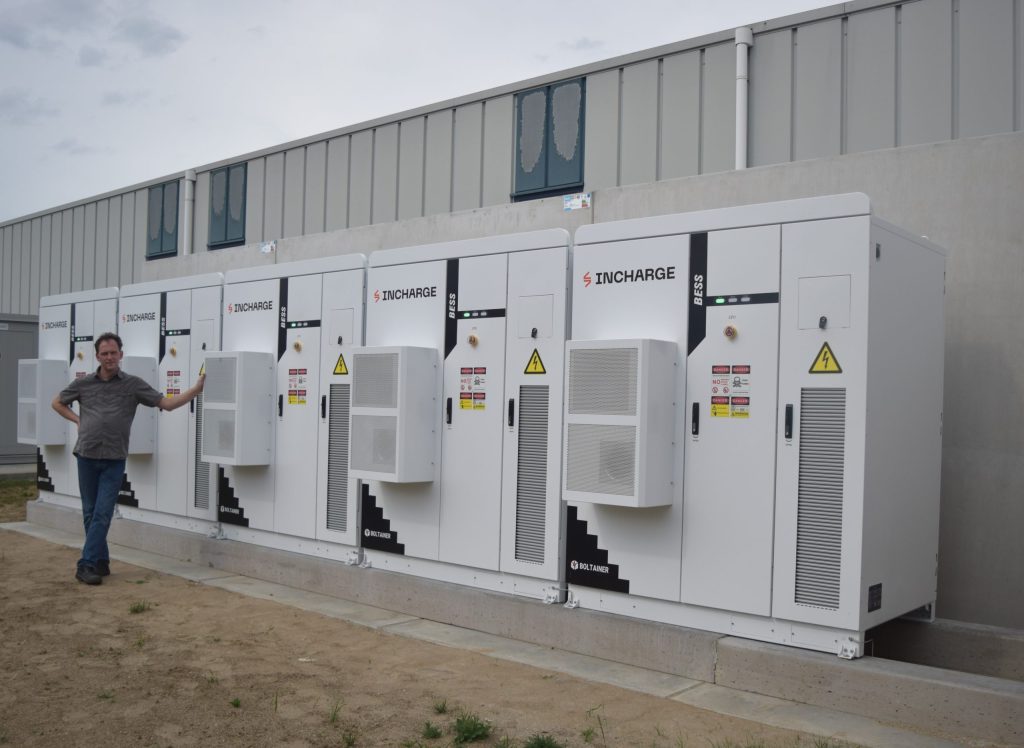
PGS 37-1 applies to energy storage systems with lithium batteries that have a combined installed storage capacity of more than 20 kWh, whether installed indoors or outdoors. The guideline focuses specifically on lithium due to the risk of thermal runaway, in which a cell produces more heat than it can dissipate, causing the temperature to rise uncontrollably.
Topics covered:
- The location and the distance from buildings, property lines, and other structures
- Fire-resistant partition and the design of the enclosure
- Gas Detection, Ventilation, and Exhaust
- Access for and Provision of Information to the Fire Department
- Management, maintenance, and configuration of the battery management system
- Emergency Plan and Incident Scenarios
Exclusions: non-lithium flow batteries, solid-state batteries, capacitors, and individual batteries in storage. PGS 37-2 applies to the latter.
PGS 37-2: The Batteries We Have in Stock
PGS 37-2 applies to companies that store, distribute, charge, or incorporate lithium batteries into products. The guideline specifies threshold values for each fire compartment.
| Situation | Threshold |
|---|---|
| Small cells and batteries (lithium-ion batteries up to 100 Wh, cells up to 20 Wh) | Starting at 1,000 kg |
| Other lithium-containing energy sources | Starting at 333 kg |
| Defective or Damaged Batteries | Starting at 30 kg |
There are exceptions that many companies overlook:
- In-stock: batteries you can use right away
- Repair and Maintenance: Batteries in Vehicles or Devices Under Service
- Temporary storage: transshipment within 48 hours
The practical implication for most companies with their own on-site battery system: PGS 37-2 does not apply. You do not store batteries as a product; you have a single operational system. In that case, PGS 37-1 is the only document that matters.
Legal Status
Both guidelines were adopted by the Administrative Environmental Council in December 2023. In April 2026, version 1.1 of both guidelines was published; the content was identical to that of the first version.
Formally, they are not yet law. The government has indicated its intention to incorporate PGS 37-1 and PGS 37-2 into the Living Environment Activities Decree under the Environment Act, with January 1, 2027, as the target date. Timelines for such processes often shift, so be sure to check the current status before setting a specific date.
In practice, that difference matters less than it seems. Environmental agencies, safety regions, and permitting authorities already use the guidelines as an assessment framework, and insurers also refer to them. A system that does not comply with PGS 37-1 therefore already faces problems obtaining a permit or an insurance policy, regardless of its formal status.
What PGS 37-1 Specifically Requires of You
The directive relies on goals and measures rather than a single, rigid rule. The issues that cause problems in practice are almost always the same four.
Installation location and distances. The distance to buildings, property lines, hazardous material storage areas, and evacuation routes determines where the system can be installed. This is something you’ll want to determine early on, because it’s nearly impossible to correct later without completely reworking the entire design.
Fire safety. Consider the design of the enclosure, fire-resistant partitions, detection, and the venting of gases. LFP cells have a more favorable risk profile than NMC cells, but this does not mean the requirements are waived.
Information for emergency services. The fire department needs to know what equipment is on site, where it is located, how to shut it down, and what procedures to follow in the event of an incident. This documentation should be provided with the system.
Management and maintenance. A fixed maintenance schedule, monitoring, and clearly defined responsibilities. This is also what your insurer wants to see.
What this means if you want to install a battery
- Determine your capacity. PGS 37-1 applies to storage systems rated at 20 kWh or more.
- Choose the installation site early on. Distances to buildings and property lines often determine what’s possible, and that’s difficult to fix once the location has been finalized.
- Involve the safety region early on. That will save you a step in the permitting process.
- Request the documentation. Your supplier should provide the safety dossier: certification, scenarios, maintenance schedule, and information for the fire department.
- Report it to your insurer. A system that complies with PGS 37-1 and is professionally monitored generally does not raise any objections.
At Boltainer, this is included as standard in the process. The systems comply with PGS 37-1 and IEC 62933-5-2, and we provide the documentation required by the municipality and the fire department. You can read more about the setup and applications on the energy storage page.
Common Misconceptions
| Misunderstanding | Here's the deal |
|---|---|
| “PGS 37 isn’t law yet, so I don’t have to do anything about it” | Environmental agencies, safety regions, and insurers are already using the guideline as an assessment framework |
| “My supplier will take care of that” | The supplier provides the system and the documentation, but the installation site, permit, and management are your responsibility as the operator |
| “PGS 37-2 applies to my commercial battery” | No, a functioning energy storage system falls under 37-1. 37-2 applies to batteries that are stored as products. |
| “There are no requirements for consumption below 20 kWh” | PGS 37-1 may not apply in this case, but the general requirements for a safe installation and occupational safety and health regulations remain in effect |
| “It’s easier once it’s inside” | Indoor storage actually places additional demands on ventilation, compartmentalization, and escape routes |
What This Means for Your Project Planning
Safety and permitting are rarely the most technically complex parts of a project, but they are often the slowest. Keep that in mind when planning.
- Determine the installation site. This is the first step, not the last. Distances to buildings and property lines determine what is possible.
- Preliminary consultation with the municipality and the safety region. A brief discussion beforehand can prevent a rejection later on.
- Gather documentation: certification, scenarios, shutdown procedures, maintenance schedule, and information for the fire department.
- Submit a notification or permit application. Depending on the scope and municipality.
- Notify the insurance company. Do this before the system is installed, not after.
- Handover and registration. Document what is there, who manages it, and when maintenance takes place.
In practice, steps one and two determine whether a project runs smoothly or is delayed by months.
Frequently Asked Questions About PGS 37
Is PGS 37-1 required by law?
Formally, it is a directive, not a law. But it takes effect through the licensing process, occupational safety and health legislation, and insurance requirements, and the government is working to enshrine it in the Civil Code. In practice, it’s impossible to ignore.
Does PGS 37-1 also apply to systems under 20 kWh?
The guideline is intended for systems with an installed storage capacity exceeding 20 kWh. For systems below that capacity, the general requirements for safe installation apply, but the PGS itself does not apply.
What regulations apply to a battery container on my property?
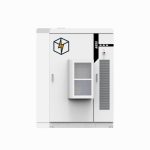
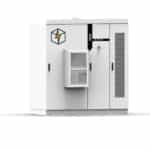
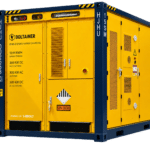
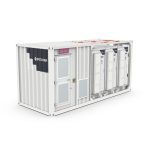
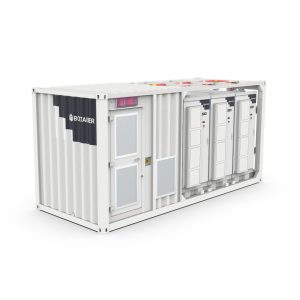
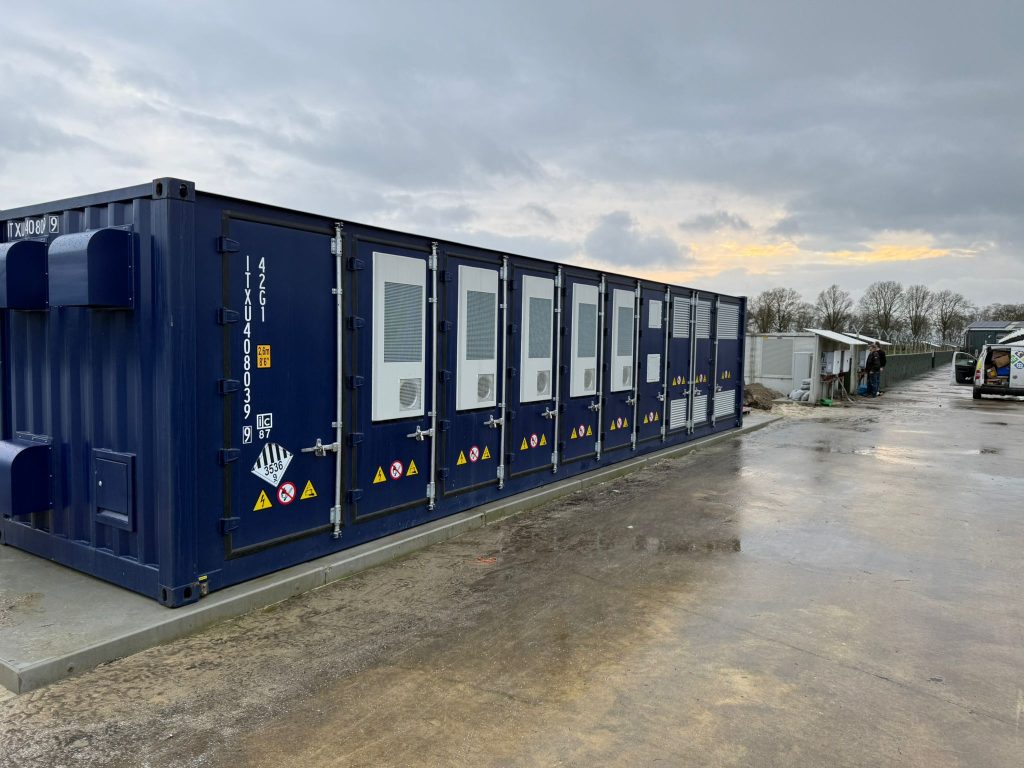
PGS 37-1. A container equipped with a functioning energy storage system is an EOS, regardless of whether it is located indoors or outdoors.
I have a main battery and some spare batteries in the warehouse. What should I do now?
In that case, both guidelines may apply. The operating system falls under PGS 37-1, and the stored batteries fall under PGS 37-2 as soon as you exceed the threshold value per fire compartment.
What is the difference from IEC 62933-5-2?
PGS 37 is a Dutch standard that addresses safe installation, the surrounding environment, and on-site management. IEC 62933-5-2 is an international standard that sets requirements for the energy storage system itself, such as safety, monitoring, and behavior during malfunctions. They complement each other and do not replace one another: a system can fully comply with the IEC standard and still be improperly installed according to PGS 37-1.
Who is responsible—the supplier or me?
The supplier is responsible for ensuring that the system meets the standards and for providing the corresponding documentation. As the operator, you are responsible for the installation site, the permit, coordination with the municipality and the safety region, and compliance with the management and maintenance regimen. In practice, we are involved in most of that process, but formally, it remains your responsibility—and that is also what your insurer insists on.
When should I call the fire department?
As early as possible, preferably before the installation site has been finalized. The safety region evaluates accessibility, distances, scenarios, and shutdown options, and may impose requirements that determine the system’s location. Doing this early on saves a step in the permitting process and prevents you from having to modify a design that has already been cost-analyzed.
Will PGS 37-1 change?
The content of version 1.1 from April 2026 is identical to that of version 1.0 from December 2023. What may change, however, is the legal status, with the intended incorporation into the Living Environment Activities Decree. In addition, PGS guidelines are periodically revised when technological developments or practical experience warrant it. For any new project, always check the Hazardous Substances Publication Series website to determine which version is the most current.
 />