




An explanation of what contracted capacity is and how to manage peak shaving to prevent overages and additional costs.
Your energy demand is growing, but your grid connection remains the same. As soon as your peak power exceeds your contracted capacity, you run the risk of significant additional costs, equipment shutdowns, or restrictions imposed by the grid operator. Especially during periods of grid congestion, “simply increasing capacity” is often no longer an option.
On this page, you’ll learn how to avoid exceeding your contracted capacity. You’ll receive practical guidance on understanding your peak load, mitigating risks, and selecting targeted measures that suit your business situation—both now and in the future.
What is contracted capacity, and why is it important?
As a large commercial consumer, you agree with your grid operator on a specific contracted (transmission) capacity. This is the maximum electrical capacity you are allowed to use at any given time on your connection: how many kW or MVA you are allowed to draw or feed back into the grid at the same time. It therefore refers to your highest peak during a busy period, not the total number of kWh consumed over the month or year.
Peak Capacity and Business Risk
If you exceed this contracted capacity, the grid operator may adjust it and charge you additional fees. Furthermore, the closer you consistently operate to your limit, the less flexibility you have to grow, electrify (for example, with electric trucks, electric tools, or heat pumps), or install your own power generation without any surprises.
On top of that, many regions are experiencing grid congestion: the power grid is at capacity, which means you can’t simply expand your contract. This makes it even more important to get a handle on your power demand. Anyone who doesn’t understand their peak demand runs the risk of unknowingly exceeding their contracted capacity, which can lead to costs, restrictions, and delays in future plans.
Understanding Your Peak Load: How to Identify Risks Beyond Your Contract
Many companies have a good understanding of their annual consumption, but have little insight into their peak loads. It is precisely those short-term peaks that determine whether you exceed your contracted capacity—and thus risk incurring additional costs or facing restrictions. With a structured approach, you can effectively identify those risks.
Step 1: Collect the correct measurement data
- Ask your grid operator or energy provider for the quarter-hourly readings (or 15-minute profiles) covering at least 12 months.
- Use existing dashboards or energy management systems (EMS) within your organization; you can often export peak power levels and times directly from them.
- In addition, collect internal information—such as production schedules, work schedules, and loading schedules—so you can link consumption peaks to operations.
Step 2: Analyze your 15-minute peaks
- Determine the highest 15-minute value in kW for each day and each month.
- Mark days with exceptionally high peaks and record what happened from an operational standpoint (e.g., production line startup, simultaneous loading of trucks). [Needs: engineer-reviewed calculation]
Step 3: Identify your biggest energy consumers
Check which systems were running during each peak period:
- Charging infrastructure (trucks, forklifts, commercial vehicles)
- Large production facilities or pumps
- Refrigeration and Freezing Systems
- Construction cranes, generators, or temporary facilities
This shows you which consumers you need to manage to reduce peaks.
Step 4: Define a safety margin
- Compare your highest recorded peak to your contracted capacity.
- Agree internally on a maximum operational load that is below that level, as a safety margin.
- Translate this into practical rules: maximum number of vehicles charging simultaneously, fixed startup sequence for machines, time slots for resource-intensive processes.
If you'd like to have this cost analyzed, including potential battery or charging solutions, you can request a Boltainer simulation report or consultation.
Measures to Stay Below Your Contracted Capacity
If you’re asking yourself, “How can I avoid exceeding my contracted capacity?”, it starts with smart organization, complemented by smart management and energy storage. That way, you can keep costs under control and ensure business continuity.
Organizational Measures: Planning and Process Adjustments
You can already gain a lot without investing directly in hardware:
- Large consumers spread their consumption over time Do not schedule heavy machinery, cooling systems, compressors, and pumps at the same time.
- Create a daily detailed schedule that excludes combinations that should never run together.
- Document this in operating procedures so that operators avoid peak combinations.
- Planning Charging Sessions Smartly Whether it's charging stations or an electric fleet:
- Give priority to nighttime and weekend loading over loading during peak production periods.
- Schedule warehouse picking during hours of low production.
- Set rules: allow fast charging only outside of internal peak hours.
- Smart Scheduling of Production Processes
- Spread energy-intensive batches throughout the day.
- Start up the support systems in phases, with a few minutes between each phase.
- Have planners take known peak hours into account.
This will immediately reduce the likelihood of brief exceedances.
Smart Energy Management and Load Balancing
The next step is automated control:
- Energy Management System (EMS) An EMS continuously measures your workload and:
- temporarily reduces the power to non-critical loads when peaks are imminent;
- Schedule load capacities and times around your peak limits;
- takes into account self-generated power and rates.
- Load Balancing in Charging Infrastructure Available power is dynamically distributed:
- Cars charge more slowly when the system is under heavy load;
- If production decreases, the load capacity increases.
This ensures that your connection stays within a set limit.
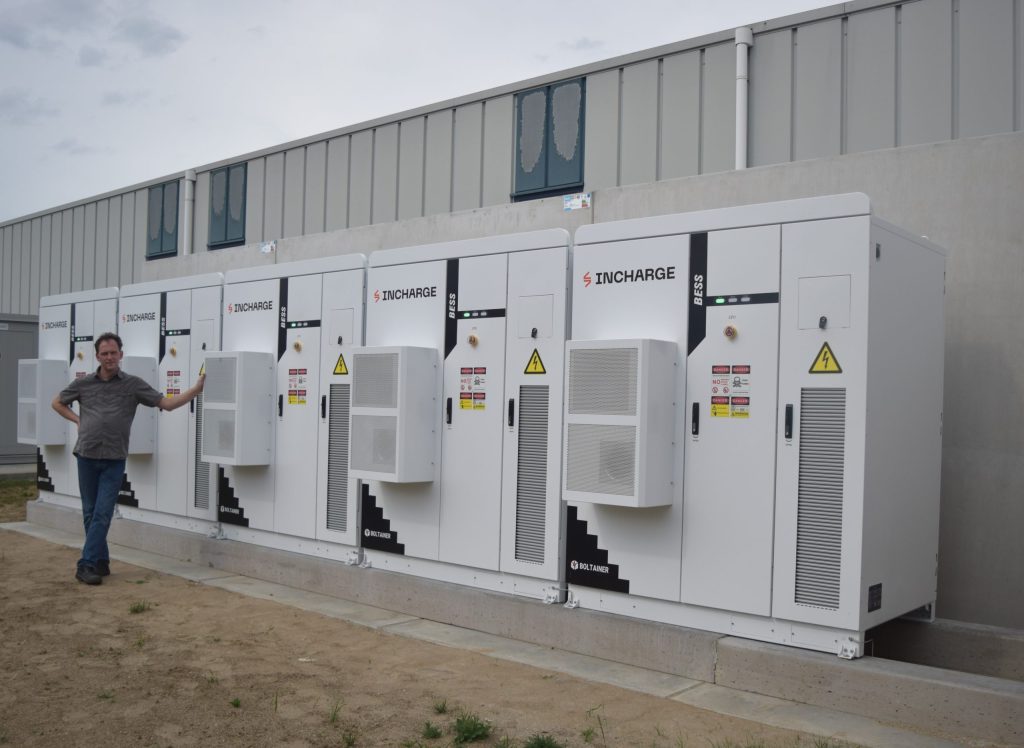
Peak shaving with an industrial battery or energy storage unit
If you want to smooth out peaks in a targeted manner, an industrial battery or energy storage container can help:
- How It Works: A Brief Overview
- Outside of peak hours, the battery charges via your connection and any renewable energy generation.
- During a peak, the battery provides additional power so that the sum of grid power and battery power remains below your contracted capacity.
- After the peak, the battery recharges.
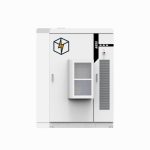
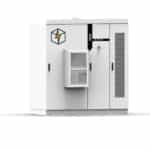
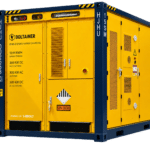
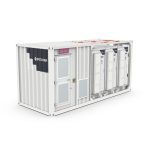
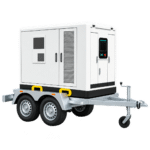
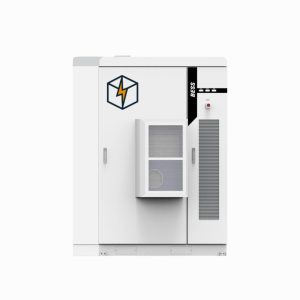
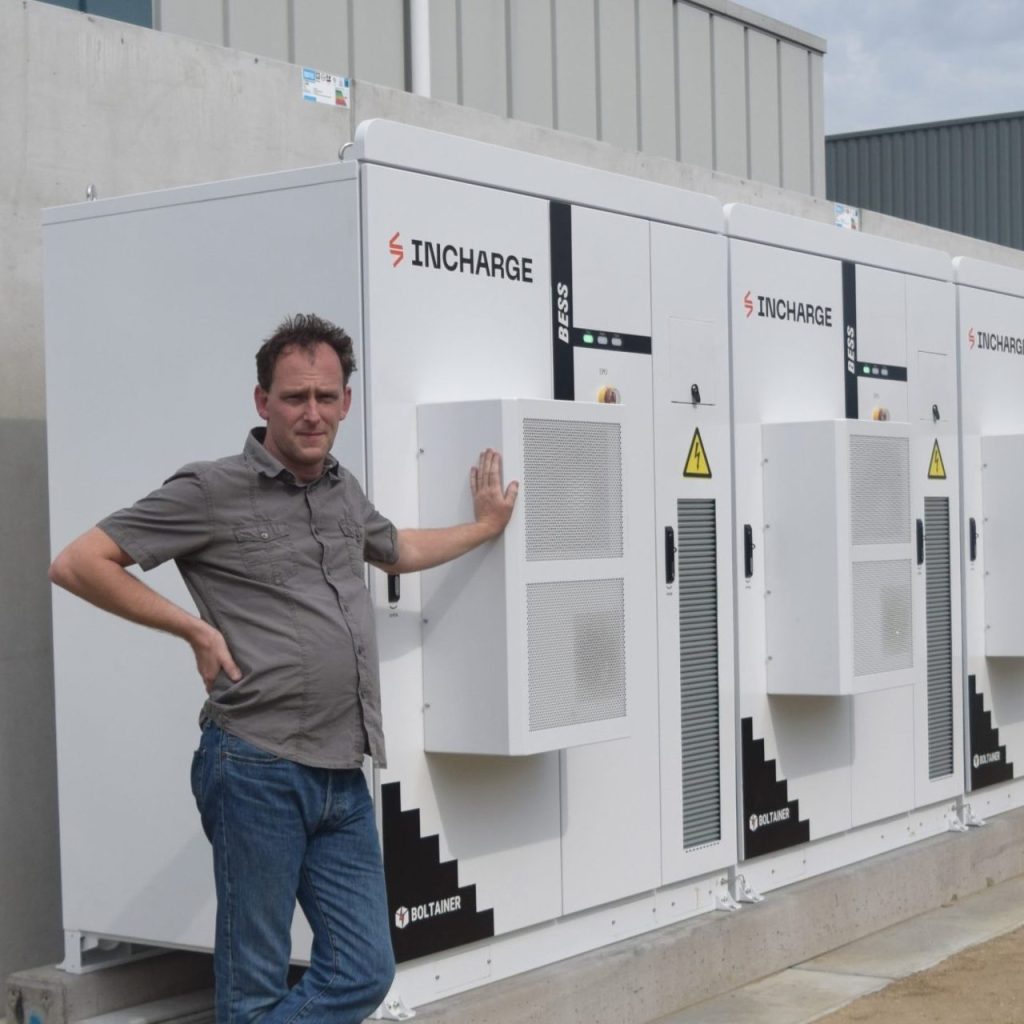
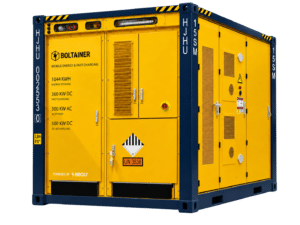
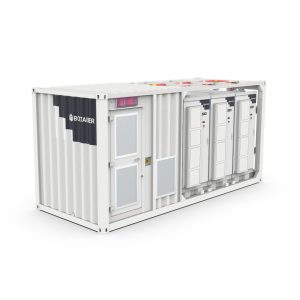
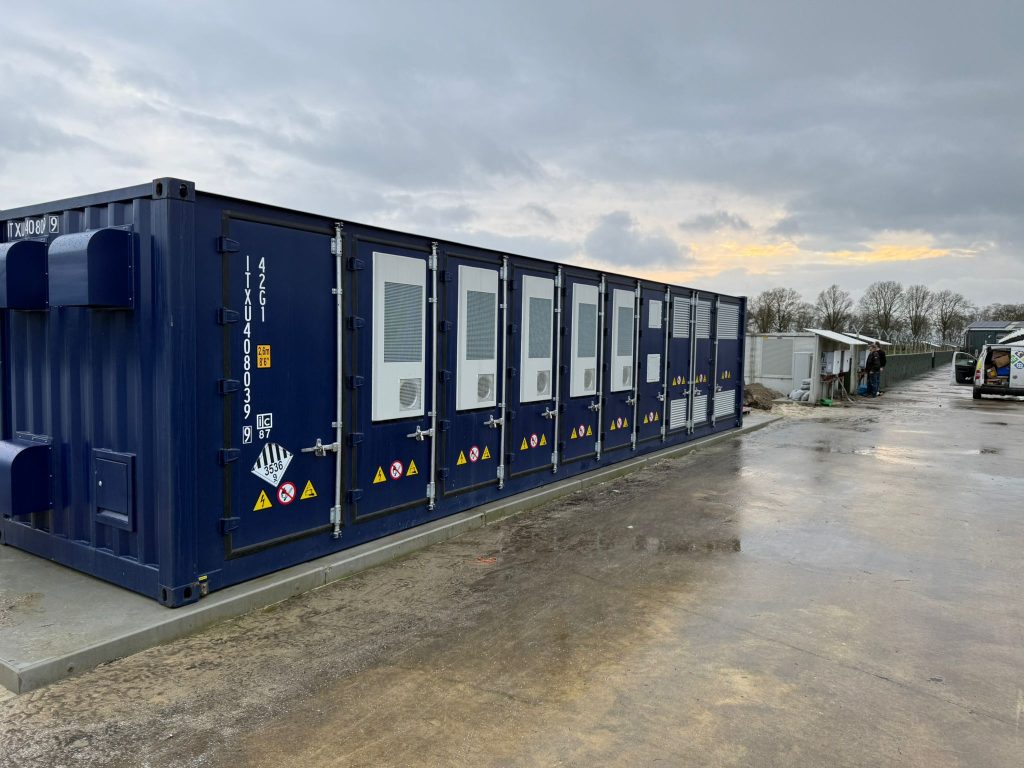
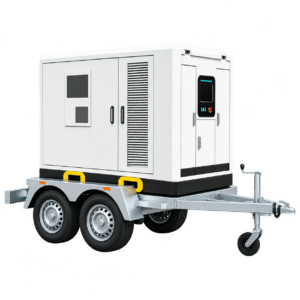
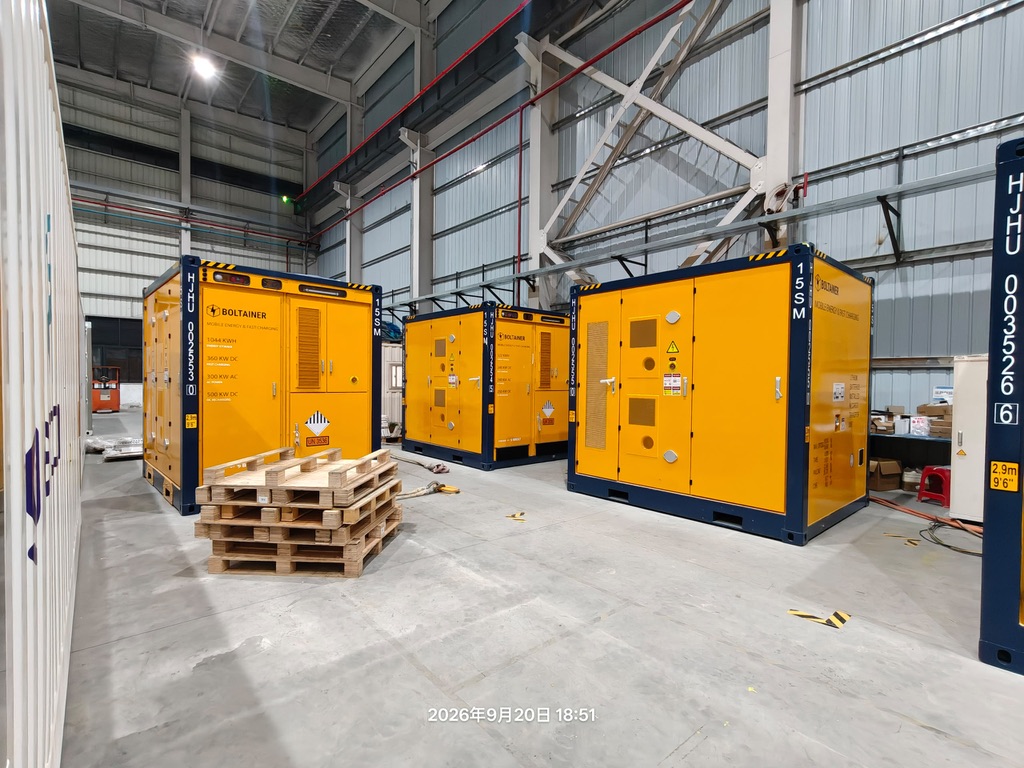
- Role of Boltainer Solutions Boltainer supplies, among other things, a Industrial battery and energy storage containers that can be integrated into:
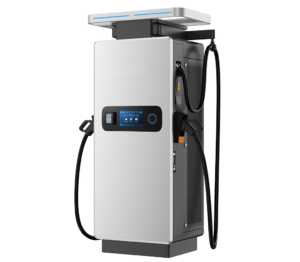
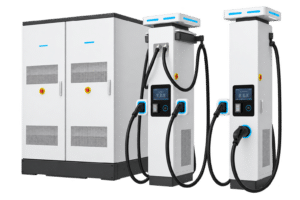
- charging infrastructure for commercial vehicles and logistics;
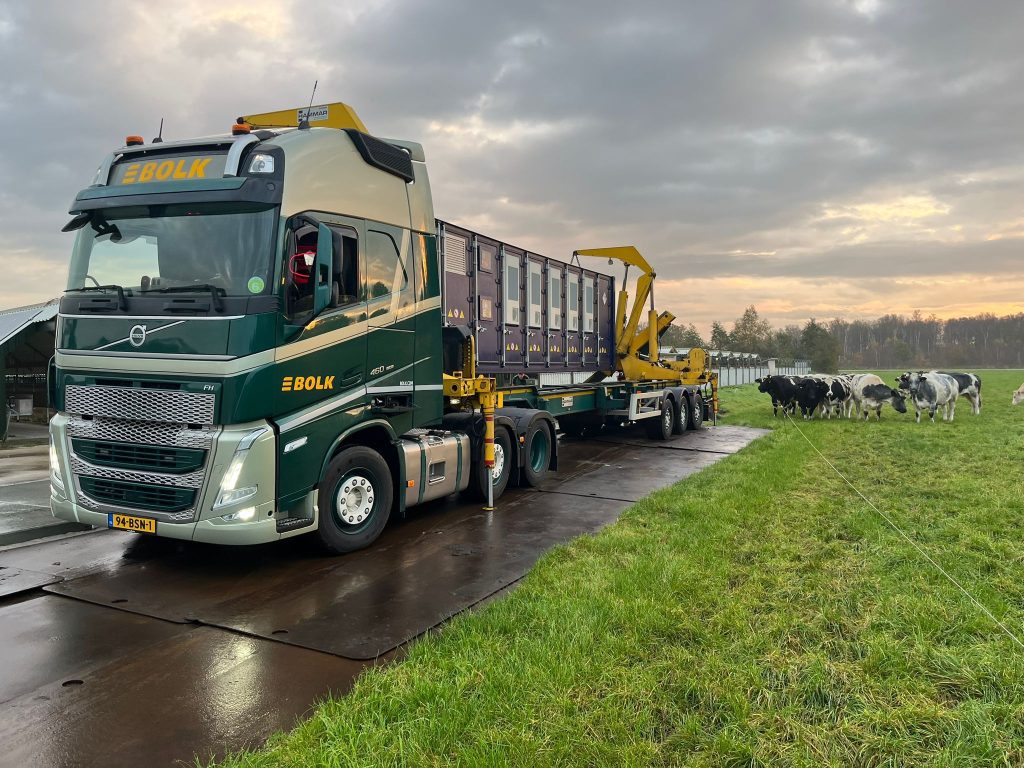
- agricultural businesses with fluctuating power demands;
- industrial processes with short but high peaks.
The BOLT systems can be controlled by an EMS that monitors grid load and automatically uses the battery for peak shaving. [Needs: engineer-reviewed use cases of Boltainer in, among others, charging stations, agricultural operations, and industry]
Such systems can also play a role in grid congestion and broader energy management; you can read more about this in the section on grid congestion solutions.
When should you increase contracted capacity?
However, it may become necessary to increase the contracted capacity if:
- you need more capital on an ongoing basis (new routes, fleet expansion);
- flexibility and peak shaving do not sufficiently reduce the peaks;
- the required battery capacity becomes too large to support a viable business case.
In that case, it makes sense to work with a consultant and the utility to determine whether an increase is necessary and feasible. In many situations, however, it’s worth investing first in flexibility, energy management, and battery storage, so you can do more within your existing connection.
Frequently Asked Questions
You can find this information in the meter readings or billing statements from your grid operator or energy supplier, which list the peak power levels and any exceedances for each period. If you share this data with Boltainer, we will use it to generate a simulation report.
Is an industrial battery always cheaper than increasing my contracted capacity?
Whether an industrial battery is more cost-effective than increasing your contracted capacity depends on the additional capacity, utility rates, and your load and production profiles. Boltainer runs a simulation to determine when battery storage, a contract increase, or both make the most sense—especially during grid congestion.
Can battery storage also help me partially accommodate future growth in my assets?
A scalable battery solution can partially accommodate future growth spikes and provide temporary capacity during expansion or electrification. This allows you to increase the flexibility within your existing connection, even though a higher-capacity connection may still be needed in the long run.
Would you like to avoid exceeding your contracted capacity and learn how battery storage can help with peak shaving? If so, feel free to request a simulation report or a consultation—with no obligation—in which we’ll analyze your peak load and the potential of battery storage for peak shaving.